







Search Results for: add a Shot
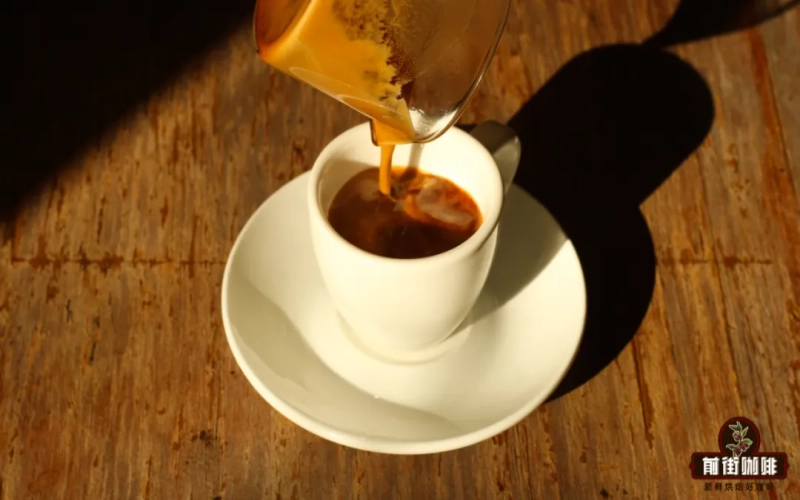
What does "shot" mean in espresso? One, two, or three? Front Street Coffee helps you understand the true meaning of 1 shot.
When ordering at a café, you often hear the phrase "add a shot," but how much coffee does this shot actually represent? It originated from the small glass of liquor in drinking culture, and after being borrowed into the coffee world, it usually refers to a serving of about 30ml of espresso. However, with the development of modern Italian-style coffee, the actual volume and caffeine content of a shot are already different from the past. In this article, Front Street will take you through the origins of the shot, clarify the differences between a single, double, and even triple espresso, and explain the true meaning of a shot under different shops and contexts, helping you more accurately understand the espresso options on the menu. [more…]
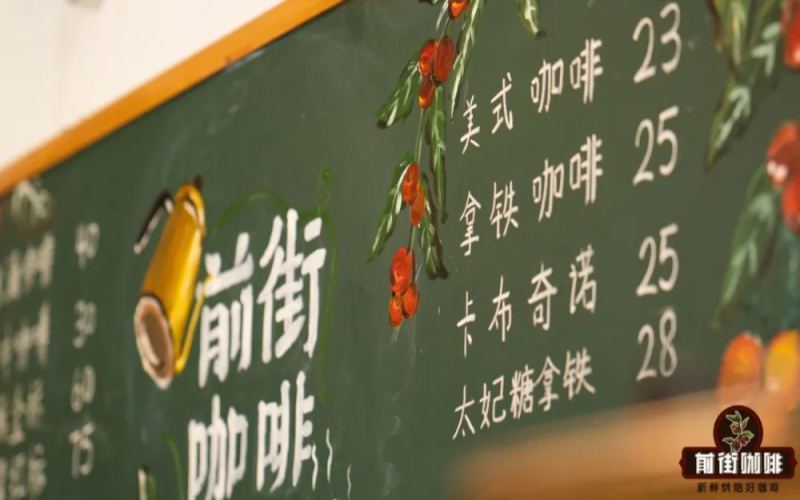
Espresso Measurement Decoded: How Much Coffee Is in a Shot? From Bar Lingo to Coffee Shop Standards
When ordering at a coffee shop, you'll often hear phrases like "add a shot" or "give me a shot," but how much espresso does one shot actually mean? This term actually originated from bar culture and was later borrowed into the coffee world. As extraction equipment and production standards have continued to evolve, the meaning of "shot" has also undergone a shift from measuring by dose to measuring by liquid volume. This article will sort out the origin of the term "shot," what it specifically refers to in the coffee context, and how modern coffee shops deal with the awkwardness brought by traditional measurement methods, helping coffee enthusiasts understand the ordering logic of espresso more clearly. [more…]

The Espresso Shot Breakdown: How Much Coffee Is in a Shot? Single vs. Double Definitions and Their Evolution
When ordering at a café, you often hear "add a shot" or "get a double espresso," but how much coffee does one shot actually represent? This article traces the evolution of the word "shot" from drinking culture to the coffee world, breaks down the extraction formulas for traditional single and double shots, and explains how modern baristas use liquid weight as the standard, making the gram amount of each espresso vary from shop to shop. At the same time, drawing on extraction examples from Front Street Coffee, it helps you understand the concept of espresso serving sizes more clearly. Whether you are a coffee enthusiast or a customer ordering day to day, you can gain practical knowledge from it. [more…]
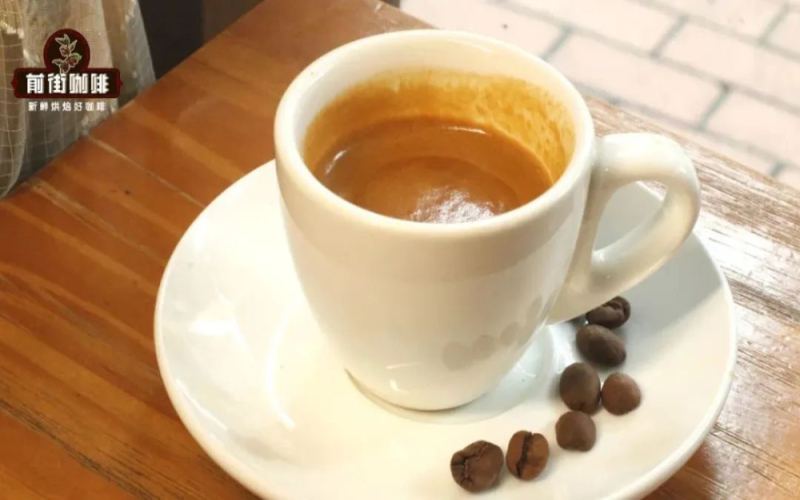
Why Are Single Shots Being Phased Out? A Detailed Explanation of the Differences Between 1 Shot and Double Shots and Their Extraction Variations
When ordering at a coffee shop, you often hear the phrase "add a shot," but do you know what 1 shot actually refers to? In the early days, 1 shot was a 30ml single espresso extracted from 9–11g of grounds, whereas today at most cafés, 1 shot is actually a double espresso extracted from 18–20g of grounds. Why would shops rather pull doubles than use single baskets? What exactly are the differences between single baskets and double baskets in appearance, structure, and extraction performance? Starting from Front Street's extraction experiments, this article uses concrete data to explain why single baskets have been phased out, and analyzes how basket structure affects water flow distribution, extraction uniformity, and channeling, helping coffee enthusiasts understand the extraction logic behind espresso. [more…]
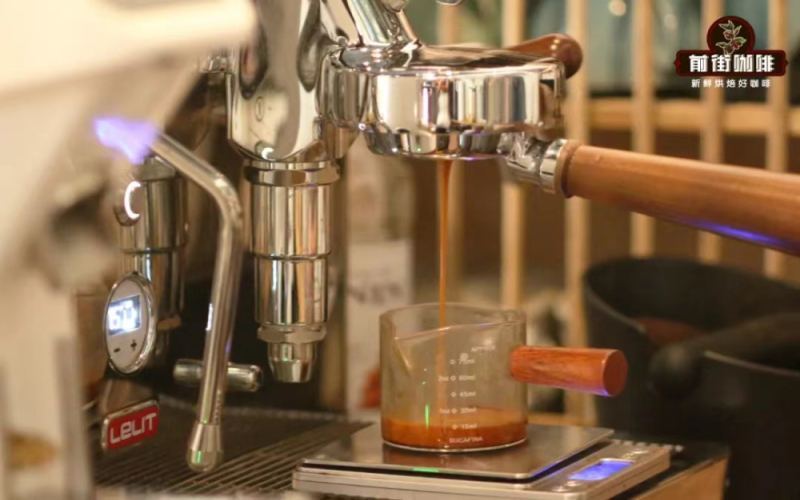
How Many Milliliters Is a Single Shot of Espresso? The Difference Between Single and Double Shots and an Analysis of Latte Ratios
For friends who are passionate about espresso-based milk coffee, the ratio of espresso to milk directly determines the flavor direction of a cup of coffee. Classic drinks such as lattes, cappuccinos, and mochas all rely on different combinations of espresso and milk, some using a single shot and others using a double shot. So how many milliliters is one shot of espresso exactly? And what substantive differences exist between a single shot and a double shot? This article will explain them one by one from the perspectives of extraction parameters, dose, and liquid weight, while also sharing the specific ratio and operating details of Front Street Coffee's latte-making process, and explaining why espresso uses blend beans rather than single-origin beans. [more…]
What factors determine espresso strength? An analysis of the correct ways to order with an extra shot versus a stronger pull
In the daily operation of a coffee shop, we often encounter customers who want a stronger cup of coffee. They tend to express their request for extra strength by saying "extract more espresso," but they are not quite aware of the professional option of "adding a shot." In fact, the strength of espresso is affected by multiple factors such as dose, yield, grind size, water temperature, and pressure, and adding a shot is only one way to adjust strength. This article will systematically sort out the key variables that affect espresso strength, explain the specific meaning of adding a shot, and introduce the standard phrasing for ordering a stronger coffee. The article also draws on product examples from Front Street Coffee to help enthusiasts understand the logic of strength control more accurately, so that next time they order, they can express their preferences clearly and professionally. [more…]
Starbucks Double Shot Caffeine Content Fully Explained: How Much Caffeine Is Actually in One Double Shot?
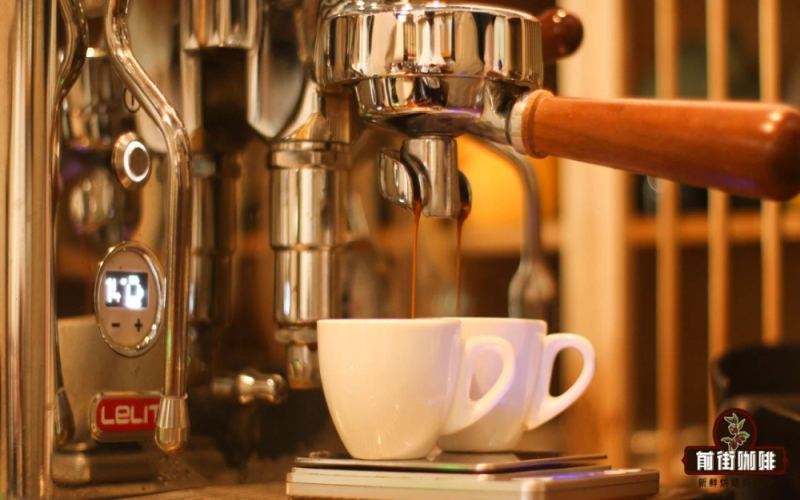
When ordering at Starbucks, have you ever noticed the term "Double shot"? How much caffeine does a double espresso actually contain, and how much do different products vary? This article will start with the origin of the word "Shot," trace the evolution of espresso measurement from volume-based to weight-based, and explain why the size of a single shot can vary so dramatically from one coffee shop to another today. At the same time, we will also draw on Front Street Coffee's extraction practices to provide specific parameters for dose, liquid weight, and time, helping you understand the true nature of a double espresso more clearly. Whether you drink Starbucks regularly or pull your own shots at home, you will find practical references here. [more…]
Espresso Extraction Ratios | How Many Milliliters Is a Single Shot of Espresso? What's the Difference Between a Single Shot and a Double Shot?
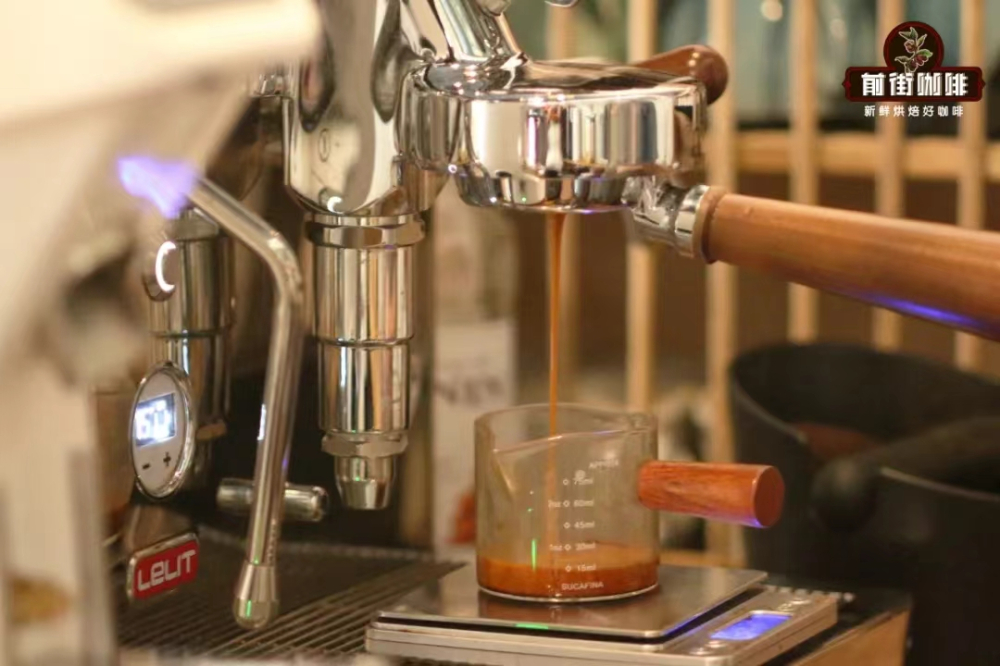
For more specialty coffee knowledge, please follow our WeChat official account: FrontStreet Coffee. Coffee lovers who often drink Italian milk coffee know that making a milk coffee requires pairing espresso with milk, such as FrontStreet [more…]
One shot or two? Decoding what a "shot" really means, starting from dose standards
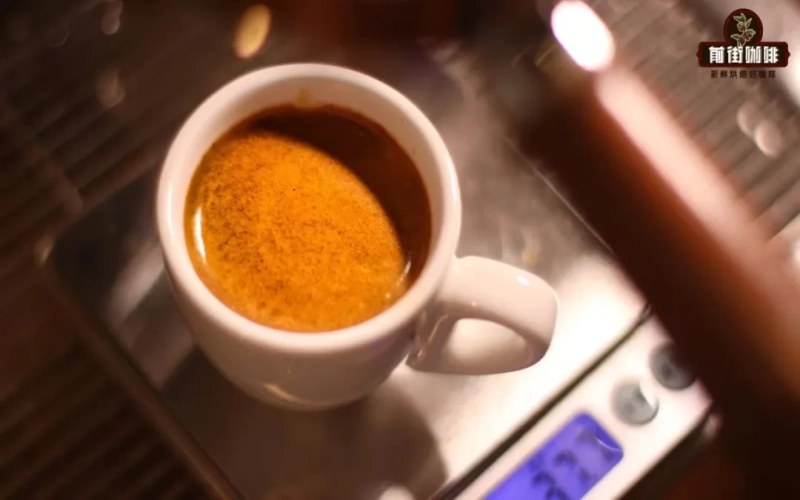
When ordering at a coffee shop, have you ever been confused: if you extract 36ml of espresso from 18g of coffee grounds, should that count as 1 shot or 2 shots? This seemingly simple question actually involves the evolution of measurement standards in the coffee industry. In the early days, 1 shot referred to 30~36ml of coffee liquid extracted from 7~9g of grounds, while today the mainstream approach has changed to extracting 36ml of liquid from 18g of grounds. Is the measurement object the dose of grounds or the volume of liquid? Today, Front Street Coffee will start with the origin of the word "shot" to help you thoroughly sort out the logic for determining single versus double espresso, so you will no longer be confused when ordering or making coffee. [more…]
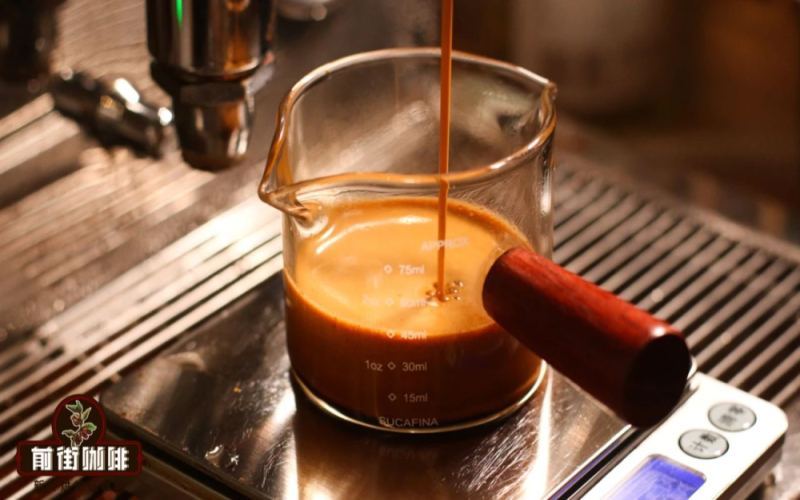
A Comprehensive Guide to the Espresso Family: Espresso, Its Siblings, and Milk Coffee Drink Recipes
Espresso is the foundation and soul of many coffee drinks, and almost any bean variety and roast level can be used to make it. However, around Espresso there are a whole set of "siblings" such as Ristretto, Lungo, Doppio, and Americano, as well as milk coffee and dessert variations like cappuccino, latte, flat white, macchiato, cortado, and affogato, and the differences between them are often confusing. This article systematically sorts out the definitions, extraction parameters, and flavor characteristics of ten common espresso drinks, and includes step-by-step preparation methods for the cappuccino family and other classic styles, helping coffee lovers clarify the full picture of espresso at once. Front Street Coffee will also recommend suitable beans and equipment ideas for you, making it easy to replicate at home. [more…]
The Complete Guide to Coffee English Vocabulary: From Common Coffee Shop Words to Ordering Terms and Detailed Explanations of Fancy Coffee Names in English
Walking into a coffee shop and facing a wall full of English menus, have you ever felt at a loss? This article systematically compiles common coffee-related English vocabulary, covering basic coffee shop terms, general coffee names, English expressions for fancy coffee, and high-frequency professional terms like Barista, Shot, and Espresso that appear when ordering. Whether you want to enhance your coffee knowledge or hope to be more calm and confident the next time you order, this vocabulary guide can help you quickly master the language code of the coffee world. The article also particularly recommends several products from Front Street Coffee, making it convenient for enthusiasts to follow the guide and learn while tasting. [more…]
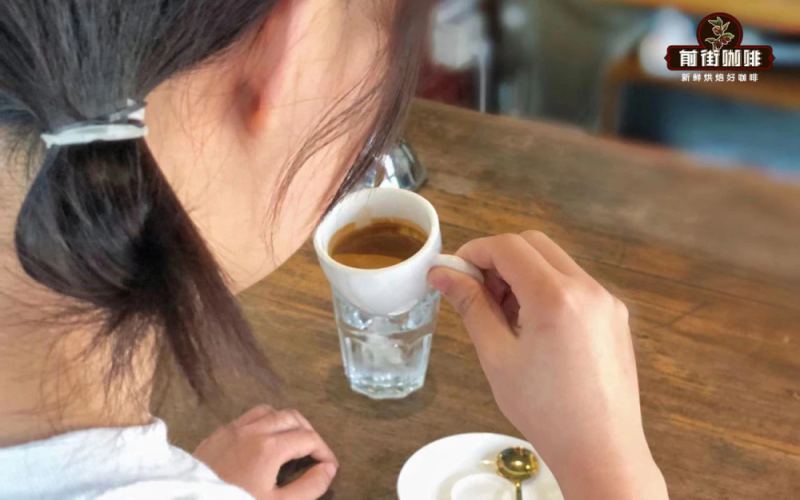
Espresso Brewing Beginner's Guide | How to Properly Taste Espresso? What Are the Flavor and Mouthfeel Characteristics of Espresso?
For professional coffee knowledge exchange and more coffee bean information, please follow Coffee Workshop (WeChat official account: cafe_style). For more specialty coffee beans, please add our private WeChat: Front Street Coffee (FrontStreet Coffee), WeChat ID: qjcoffeex. In Italian, [more…]
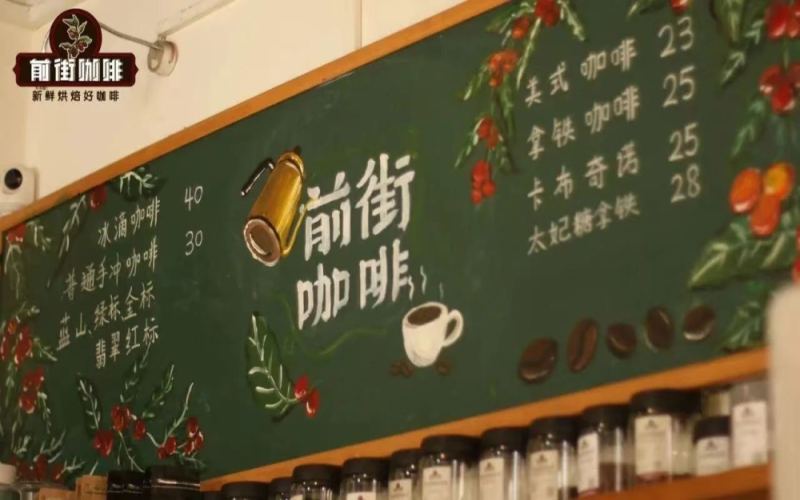
Beginner's Guide to Espresso: Flavor Differences and Detailed Preparation Ratios of Latte, Cappuccino, and Mocha
Walking into a coffee shop and facing a menu full of latte, cappuccino, mocha, and other options, have you ever felt confused? These drinks are actually all based on espresso, and by adjusting the proportions of ingredients such as milk, milk foam, water, or chocolate, they evolve into completely different flavors and mouthfeels. This article will systematically sort out the recipe structure of several classic Italian coffees, starting from the extraction principles of espresso, and analyze one by one the core differences among latte, cappuccino, and mocha in ingredient proportions and taste characteristics. It will also share the bean choices and parameter recommendations used by Front Street Coffee stores in actual service, helping you easily understand the coffee menu and find the cup that suits you best. [more…]
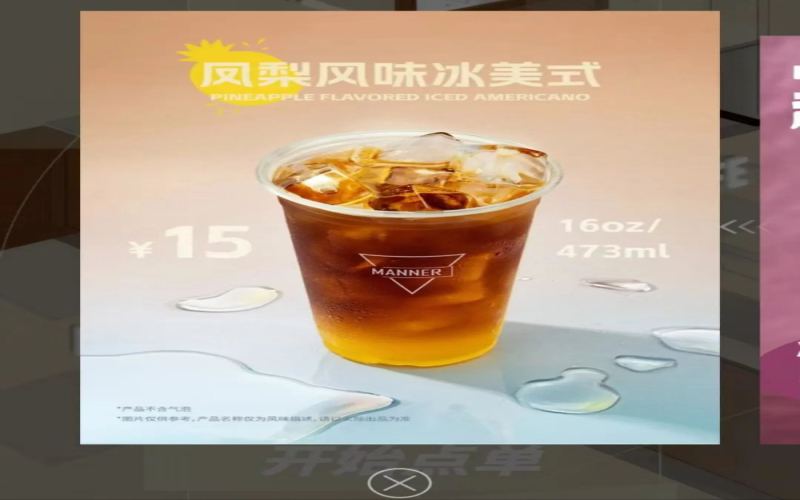
Manner Pineapple Iced Americano's single shot sparks debate, loyal customers question brand's new product development capability
Manner's recently launched pineapple-flavored iced americano abandoned the sparkling water recipe that had often been criticized before, switching to still water instead. It was expected to restore its reputation, but instead sparked a new round of controversy because the standard serving contains only one shot. Many customers reported that the drink tasted weak, and even when staff proactively asked whether they would like a free extra shot, the experience still showed no noticeable improvement. From the green tonic to the pineapple americano, a string of disappointments has led loyal users to begin questioning Manner's R&D capabilities, and the trust that once had them blindly rushing to try new products is gradually being eroded. This article compiles customer feedback and market reactions to present the real reviews behind this new cup. [more…]
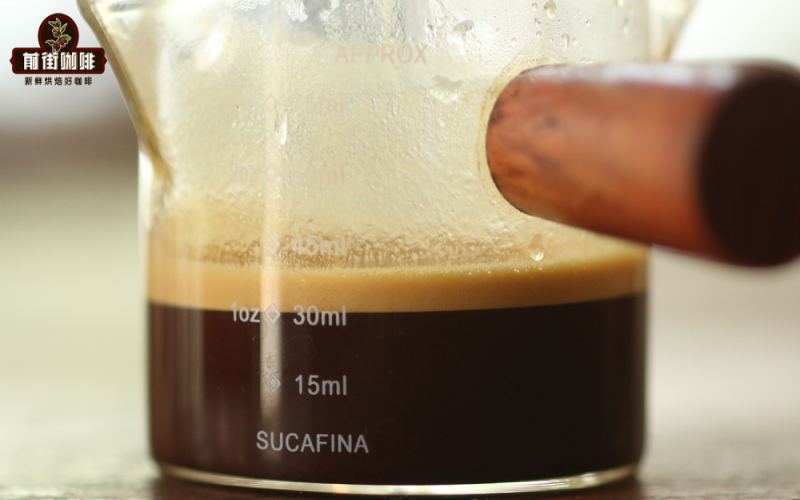
Espresso Extraction Ratios | Is there a big difference between single and double shots of espresso? How do single and double shots differ in taste and mouthfeel?
If you want to order an espresso at a coffee shop, besides saying "I'll have an espresso," you can also say "I'll have a shot." A shot is the unit for espresso; 1 shot espresso means one serving of espresso, and sometimes "sin" is also used. [more…]
A Complete Guide to the Espresso Family: From Espresso Extraction Parameters to Latte, Cappuccino, and Mocha Recipes
Walking into a café and facing the menu with options like latte, cappuccino, and mocha, have you ever felt confused? In fact, these espresso-based coffees all use espresso as their base, and only differ in the proportions of milk, water, or ingredients added, which gives rise to their unique flavors and mouthfeels. This article, presented by Front Street Coffee, will guide you through a systematic overview of the main types of espresso drinks, explain in detail the extraction parameters, grinding requirements, and coffee-to-liquid ratio for espresso, and describe one by one the specific methods and ratios for Americano, latte, cappuccino, and mocha. It will also introduce Front Street Coffee's daily house blend bean options to help you more clearly understand the logic behind every cup of coffee. [more…]
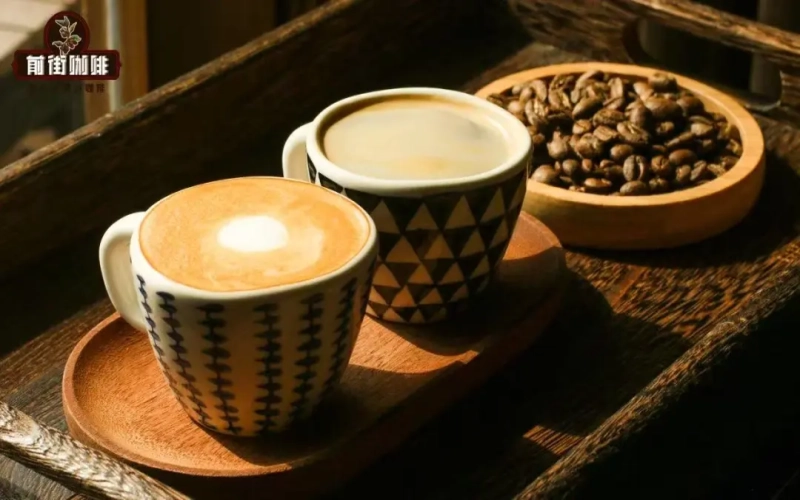
Why is Piccolo Coffee also called a small latte? What exactly is the difference between it and a latte in the use of milk and espresso?
What exactly are the differences between Piccolo coffee and latte? Why is Piccolo Latte called a small latte? This article systematically sorts out the relationship between Piccolo coffee and regular latte from the perspectives of name origin, historical background, cup size, and espresso usage. The article will also explain why Piccolo coffee is rarely served on its own in domestic coffee shops, and if you want to make a delicious Piccolo at home or in a shop, how to extract espresso and how to divide a double shot. Finally, Front Street Coffee will combine its own classic espresso blend beans to share the specific preparation parameters and flavor performance of Piccolo coffee, helping coffee enthusiasts understand this "small latte" more clearly. [more…]
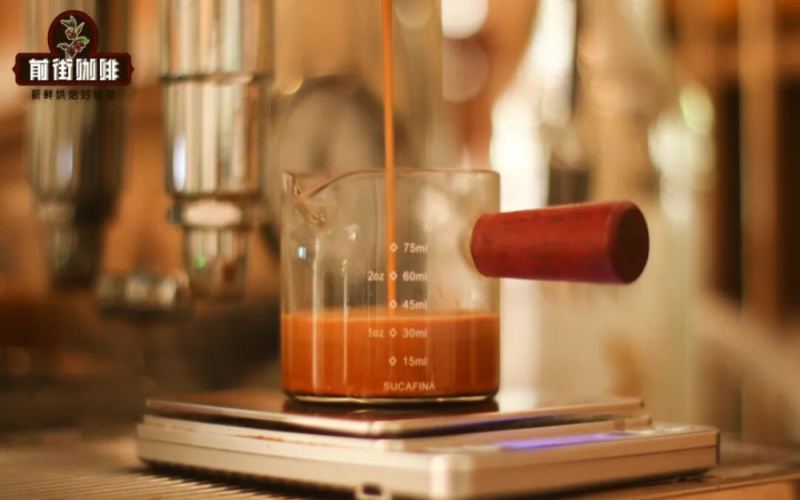
Single or Double Espresso: A Comprehensive Guide to Espresso Extraction Essentials and Parameters
As the base of fancy coffee drinks, the choice between single and double shots of espresso has always been a topic of interest for enthusiasts. A single shot of espresso is about 30 milliliters, while a double shot is about two ounces; the two differ noticeably in dose, extraction performance, and flavor expression. This article will systematically address common espresso extraction questions from the perspectives of basket capacity, brew ratio, and extraction time, and share how to achieve consistent results with medium-dark roasted blend beans. Using a double basket as an example, the article will also demonstrate the standard espresso-making process step by step, including details such as distribution, tamping, and extraction parameter adjustment, while introducing the characteristics and suitable scenarios of two daily beans, Front Street Classic Blend and Front Street Dark Cocoa Blend, to help home users easily replicate café-level espresso bases. [more…]
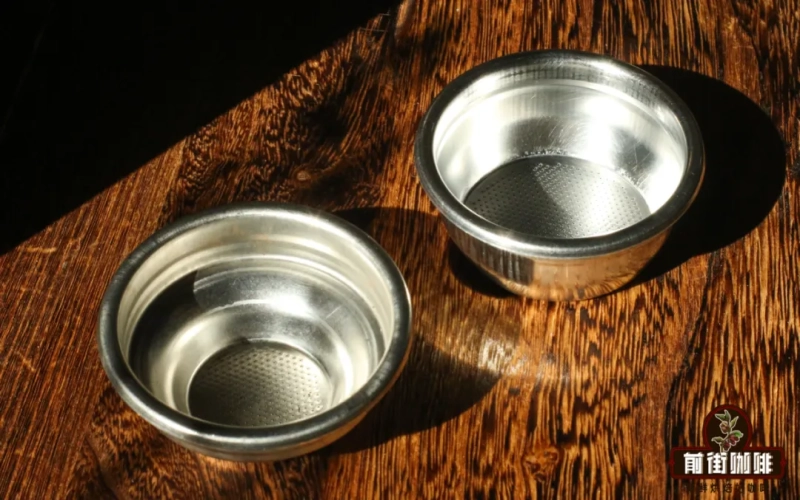
Single vs. Double Portafilter Baskets: Which One Should You Use to Pull a Shot of Espresso?
When ordering at a coffee shop, have you ever noticed the filter basket the barista uses? A single basket typically holds 9–11g of coffee grounds for pulling a single espresso; a double basket can hold 18–22g for a double espresso. But in reality, most cafés would rather use a double basket to pull an extra shot—even pouring half of it down the drain—than switch to a single basket. Why is that? Starting from Front Street's comparative experiments, this article takes a deep dive into the structural differences, extraction performance, and consistency issues of the two baskets, helping you fully understand which basket a single espresso should actually use. [more…]
Espresso Bean Selection | What's the Difference Between a Single and Double Espresso? How Do You Tell If an Espresso Is Any Good?
Coffee enthusiasts who regularly drink espresso know that drinks like mocha, cappuccino, latte, and so on use different ratios of espresso to milk. Some use a single shot of espresso, while others use a double shot. So what is the difference in grind size between a single and a double shot of espresso? What kind of coffee beans should be used to make espresso? [more…]